

316l stainless steel wire is a popular material choice for a range of applications, including in construction, manufacturing, and marine industries. Known for its corrosion resistance and durability, it’s no surprise why many opt for this type of stainless steel wire. However, even the best materials require proper maintenance to prolong their lifespan. In this blog post, we will explore the best practices for maintaining 316l stainless steel wire to ensure longevity.
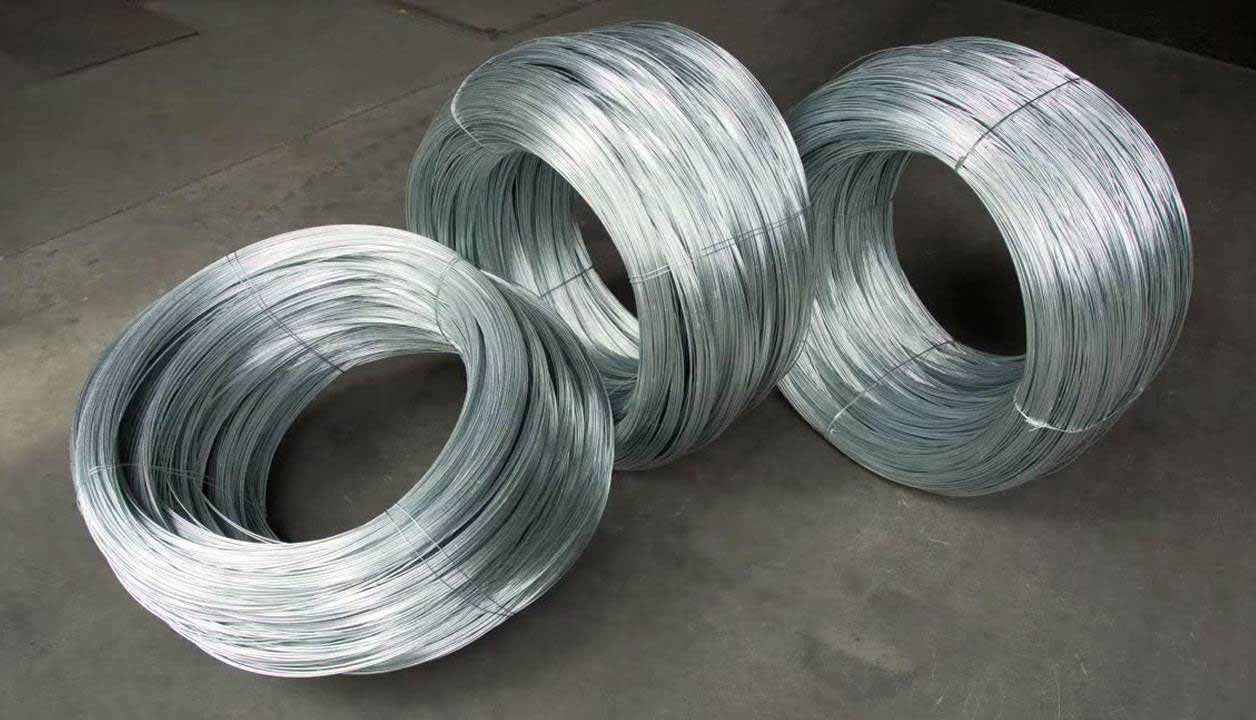
316L Stainless Steel Wire is a low-carbon type of stainless steel that offers corrosion resistance and strength. It is commonly used in the production of medical equipment, marine, and chemical processing equipment due to its high level of toughness as well as its suitable temperature range. Being easily weldable, formable, and machinable makes this wire an ideal choice for many uses in a wide variety of industries. Additionally, it has superior mechanical properties which gives it increased durability for use in heavy-duty environments.
The first step to preserving the integrity of your 316l stainless steel wire is through regular cleaning. Despite its corrosion-resistant properties, it is still susceptible to dirt build-up and other contaminants that can cause corrosion. Ensure that you clean your stainless steel wire often using mild soap and warm water, followed by thorough rinsing with water and drying with a non-abrasive towel.
Stainless steel wire is a durable material, but prolonged exposure to harsh chemicals can weaken its structure and shorten its lifespan. Avoid using cleaners with chlorine or bleach, as well as abrasive materials like steel wool or wire brushes. Opt for cleaners that are designed specifically for stainless steel.
One common issue that stainless steel wire faces is rust. If rust does occur, it can cause permanent damage to the wire, compromising its strength and integrity. To avoid rust stains on your 316l SS wire, make sure you avoid prolonged exposure to saltwater or highly humid environments. Additionally, you can apply a rust inhibitor on the wire to protect against rust formation.
Proper storage is another crucial step in maintaining the longevity of your 316l SS wire. Make sure you store the wire in a dry and cool place to avoid damage due to moisture exposure. If possible, store the wire in a designated container to prevent it from being damaged by other materials.
Lastly, routine inspection is necessary to identify any potential issues early on. Inspect your wire often for any signs of damage, including pitting, cracking, or discoloration. Address any issues promptly to prevent further damage to the wire.
In conclusion, 316l SS wire is a versatile and durable material that can last a long time with proper maintenance. Regular cleaning, avoiding harsh chemicals, rust prevention, proper storage, and routine inspection are all vital steps in ensuring the longevity and optimal performance of your stainless steel wire. By following these best practices, you can minimize the risk of damage or corrosion, extending the lifespan of your 316l stainless steel wire and saving yourself time and money in the long run.
Find answers about 316L Stainless Steel Wire maintenance, cleaning, corrosion resistance, and storage.
316L Stainless Steel Wire is a low-carbon stainless steel wire known for excellent corrosion resistance, durability, and strength in harsh environments.
It is widely used because of its resistance to rust, weldability, hygiene properties, and long service life in marine, chemical, and industrial applications.
Clean it regularly using mild soap, warm water, and a soft cloth. Avoid abrasive cleaners or harsh chemicals.
316L wire offers high corrosion resistance, but improper maintenance or exposure to chlorides for long periods may cause surface staining.
Store it in a dry, clean, and cool environment away from moisture and contamination.
SMM Industries LLP is a trusted supplier, stockist, manufacturer, and exporter of 316L Stainless Steel Wire in Mumbai, India.